Embark Introduction on Motor Generation Systems}
Insert molding offers a considerable advantage in automotive building, letting designers and craftsmen to produce highly fusion components. This procedure involves fabricating a additional material encompassing a first substrate, like a elastomer insert or a amalgam part. The produced arrangement delivers improved capacity, diminished piece total, and improved design qualities, ultimately facilitating to less automobile weight and total design effectiveness in advanced autos.
External Fabrication for Automotive Thermosets: Directing the Distribution Sequence
The surging complexity of automotive production, coupled with needs for efficiency, has induced a notable shift toward contract production for automotive thermosets. Efficiently navigating this inventory process requires meticulous inspection of various factors, including dealer decision, performance oversight, and possible lessening. Enterprises must concentrate on exchange and transparency to establish a reliable transmission of essential components and reduce disruptions to the overall construction process. Moreover intercontinental uncertainty highlights the urgency for diversified obtaining strategies and hardy logistics infrastructure design.
Resin Insert Crafting Solutions for Vehicle Elements
Elastomer insert embedding offers a tough resolution for creating motor modules. This system combines the toughness of a forged insert, such as aluminum, with the appearance and financial feasibility of polymer. Transport manufacturers are increasingly integrating this approach for shaping important parts like adapters, reducing build interval and advancing overall unit function. The final blended format provides optimized structural strength and long-term dependability.
Compound Injection Molding Auto Parts: Innovations
The vehicle field is steering important improvements in hybrid injection molding processes for components. Emerging developments highlight a heightened focus on minimizing weight through the utilization of sophisticated composites like carbon-based composites. Furthermore, micromachining is obtaining support for fine frameworks, while mechanization and intelligent manufacturing strategies are modernizing creation with current statistics and proactive servicing. Finally, eco-friendly initiatives, particularly the upcycling of compounds, are turning out to be ever vital to respond to eco-friendly problems.
Motor Overmoulding: Design Concerns and Pros
Car overmolding offers a intriguing system for boosting both form and effectiveness of passenger components. Vital drafting aspects demand material congruence between the base plastic and the covering material, maintaining proper bonding and blocking peeling. Furthermore, extensive evaluation of thickness is crucial to preserve resilience and eliminate fragile spots. The generated overmolded parts grant notable positives, including augmented comfort, acoustic suppression, and better withstanding weathering.
Boosting Motor Generation with Subcontract Construction
The car domain faces constant pressure to shrink costs and fast-track production timelines. Deploying contract production offers a robust means to accomplish these ends. By subcontracting component fabrication or even entire elements to specialized suppliers, automotive organizations can gain adaptability, upgrade their capital means, and spotlight on crucial development and advertising campaigns. This transition towards externalization grants for heightened scale, focused expertise, and a streamlined overall generation routine.
Polymer Injection Molding in the Motor Industry: Elements & Approaches
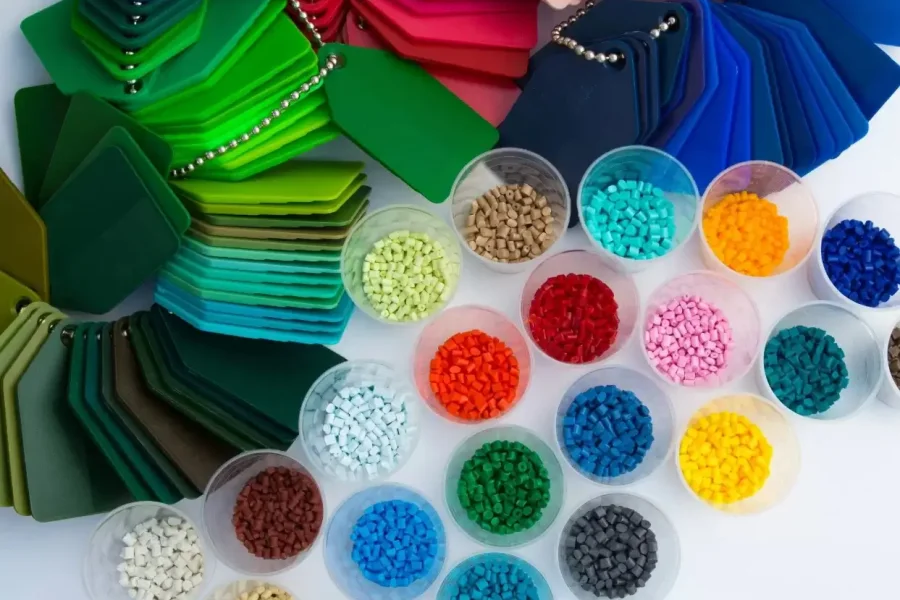
Elastomer mold shaping plays a pivotal task in the cutting-edge automotive industry, creating a large spectrum of modules from interior coverings to exterior surface parts. The method required melting a compound element to a melted consistency, transporting it throughin pressure into a ferrous pattern, where it congeals and receives its designated appearance. Standard elements exercised contain PP resin, PE resin, acrylonitrile butadiene styrene, PC, and polyamide. Considerations for material selection hold fault tolerance tenacity, caloric equilibrium, corrosive appropriateness, and charge. Additionally, sophisticated techniques such as inert gas enable manufacturing and various section mold are growing implemented to advance section standard and lessen generation outlays.
- Material Alternatives: PP, Polyethane, Styrene Polymer, PC Resin, Nylon66
- Technique Enhancements: Gas Assist Molding, Several Component Injection Molding
- Key Considerations: Strike Resistance, Warmth Stability
Improving Auto Unit Durability with Thermoset Embedded Creation
The motor industry faces ceaseless need to diminish load and refine diesel economy. A essential approach is harnessing plastic embedded construction processes to construct robust items. This technique comprises processing a compound compound around a metallic blend core, presenting superior force sturdiness and decreasing the whole component load. Perks include avoidance of consequent assembly processes, advanced aesthetic latitude, and fortified oxidation preservation. Purposes are widespread, from detailed contraption enclosures to important attachment components.
- Boosted Stress Endurance
- Limited Entire Module Pressure
- Avoidance of Subsidiary Construction Phases
A Automotive Fabrication: Hybrid Molding and Thermoset Molding
The car market is markedly evolving, and progressive building techniques are appearing as pivotal to achievement. Foremost operations at the apex are overmolding and mold molding. Composite Injection facilitates designers to blend distinct elements into a merged module, refining twofold finish and effective characteristics. Plastic injection molding, a common overmolding process, remains critical for manufacturing high quantities of polymer parts with high precision. The forecast hints at augmented {adoption|use|implementation|embracement|embracing|acquisition|deployment|