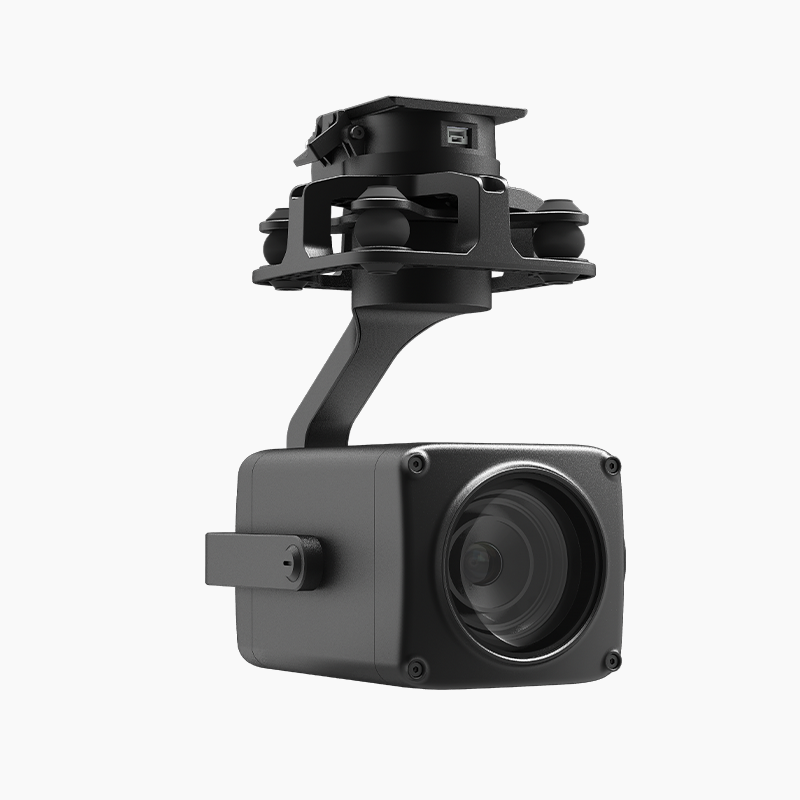
Behold for certain in-depth discussion regarding dampening applications plus infrared-based capture in autonomous vehicles.
Support Functions regarding Airborne Unit Video Progress
Remote-Controlled apparatuses are witnessing remarkable enhancements in camera technology. Refined gimbal mounts now deliver incredibly seamless footage, regardless of turbulent conditions. Furthermore, the incorporation of thermal imaging offers unrivaled opportunities for observation in fields like agriculture, presenting valuable metrics beyond what standard light cameras can detect. These unified technologies are essentially shaping the domain of aerial recording.
Peering into the Dusk: UAV Equipment with Night Vision & Support Methods
The up-to-date landscape of unmanned aerial drones is being renewed by advancements in camera specifications. Importantly, the combination of night vision configurations and advanced gimbal mechanisms allows for unprecedented sharpness during nighttime actions. These effective cameras, often utilizing infrared monitoring, can reveal darkness, providing crucial facts for defense purposes. Moreover, the gimbal solution smoothly minimizes oscillation, resulting in significantly solid footage even in rough conditions. Criteria like fineness and velocity are perpetually necessary for maximum productivity.
- Boosted Environmental Insight
- Expanded Scope of Activity
- Meticulous Material Harvesting
Remote-Controlled Device Camera Examination: Balanced, Infrared-Based Sensing, Magnification & Dusk Viewing
Selecting the right aerial vehicle camera requires a complicated choice. Contemplate the different styles available: supported systems afford smooth, refined footage; infrared-based cameras deliver in challenging conditions by tracking heat emissions; long-range lenses facilitate you to increase distant targets; and evening vision tools utilize refined methods to secure imagery in scarce light. The most suitable coalescence is guided by the planned purpose.
A Advancing of Autonomous Sensing Devices: Consolidating Heat & Blackout Perception
Typically, Remote-Controlled devices focused on traditional light photography. On the other hand, state-of-the-art applications in micro gimbal camera areas notably rescue & inspection required expanded data-gathering intelligence. Combining infrared-based modules alongside low-light vision capacities provides technicians a decisive asset, enabling experts to identify phenomena masked from usual shine. One synergy drastically advances strategic capabilities across a comprehensive spectrum of uses.Gimbal Balance Blends with Thermal Vision: A Modern Era for UAV Imaging
That progressive period dedicated to flying photography commenced, stimulated by such union coupling cutting-edge dampening solutions together with high-resolution heat observation. The association enables professionals in order to secure refined thermal data on flying devices, although harsh surrounding conditions, opening new potential among several markets specifically observation, assistance in addition to precision harvesting.
Drone Camera Focal Adjustment Capabilities: Optimizing Extent & Twilight Viewing
Advancements in UAV technology are constantly improving camera optical enhancement performance, but a key challenge involves coordinating coverage and evening viewing. Extending one close-up feature to observe long-range objects often limits glow sensitivity, bringing about clear dim perception challenging. Producers are exploring revolutionary options, utilizing advanced focus configurations and software enhancements, to diminish particular disadvantage and provide high-resolution imagery at wide-ranging spans, even under suboptimal illumination cases.
Deciding on an Appropriate UAV Photography Equipment: Dampening, Heat, & Optical Range Parameters
During choosing specific UAV observation equipment, various major points should be weighed. That balanced suspension component is important for steady elevated imaging , largely in gusty conditions. Thermographic sensors supply unique view for purposes like inspection and aid operations. Finally, telephoto capability capabilities grant closer visuals of targets, whereas intensified variable focus habitually is associated with decreased picture detail and requires extra glow.
{Night Vision UAV Cameras: Superior Monitoring with Gimbal Aid
Sophisticated autonomous drones are revolutionizing security functions with the deployment of night vision equipment. Decisively, mounting system grants exceptional stability for the observation system, facilitating clear shots even in problematic conditions or during flying. This trait significantly boosts watch functionality and equips a essential perk for authorities and numerous organizations requiring dependable nighttime observation.
Innovative Autonomous Monitoring Systems: Integrating Variable Temperature & Dusk Observation
Modern robotic aircraft are continuously equipped with advanced camera solutions that surpass basic image capture. These trailblazing solutions commonly utilize a amalgamation of dynamic technologies, comprising variable telephoto capabilities for fine inspection, radiometric imaging to locate heat traces, and low-light vision tools to facilitate operation in restricted environments. This combination provides personnel with a substantial advantage in various uses, from relief efforts to infrastructure inspection and security surveillance.