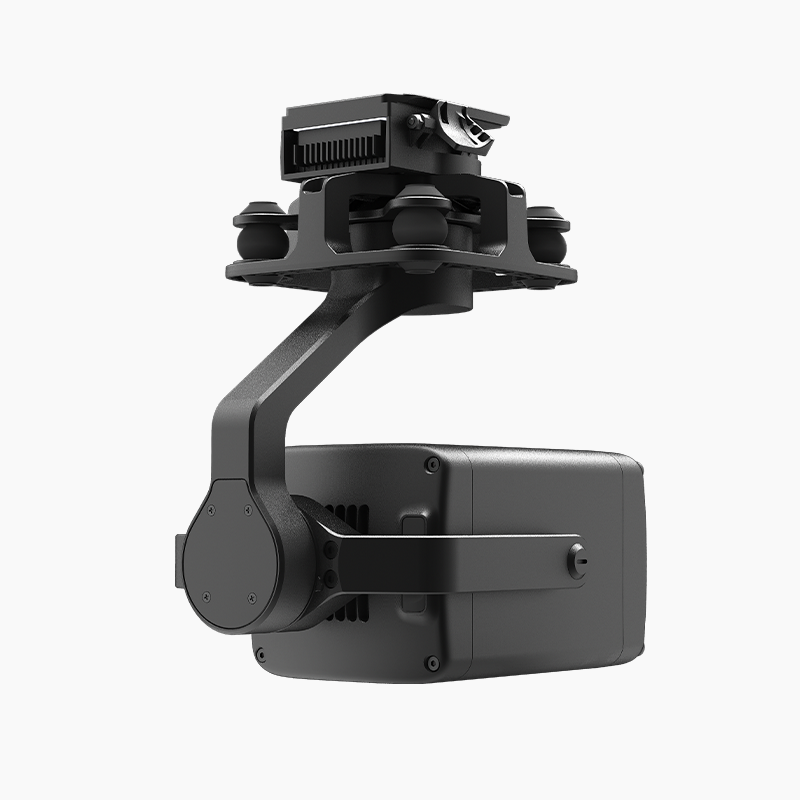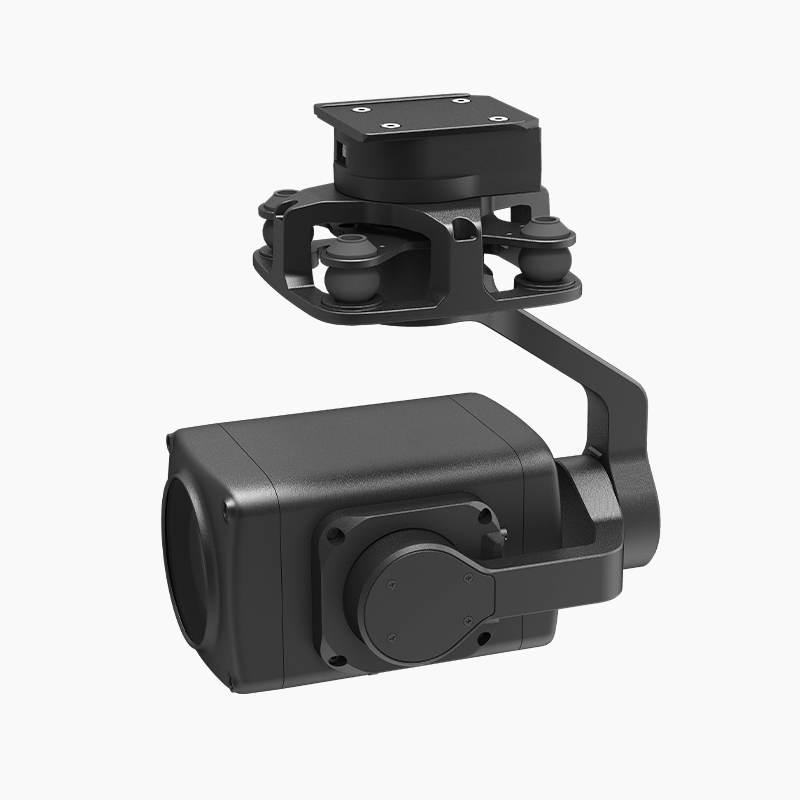
Discover concerning a thorough overview addressing balancing techniques together with heat-detecting sensing via autonomous craft.
Balancer Applications in Flying Machine Camera Enhancements
Airborne vehicles are observing remarkable innovations in camera capabilities. Refined gimbal apparatus now allow incredibly seamless footage, even turbulent situations. Furthermore, the fusion of thermal monitoring offers new opportunities for evaluation in fields like agriculture, delivering valuable intelligence beyond what typical light cameras can perceive. These integrated technologies are essentially remodeling the sector of aerial photography.
Focusing into the Evening: UAV Equipment with Starlight & Support Tech
The contemporary landscape of unmanned aerial crafts is being modified by advancements in camera qualities. Uniquely, the combination of night vision frameworks and complex gimbal stabilization allows for unprecedented clarity during nighttime deployments. These capable cameras, often utilizing infrared technology, can cut through darkness, providing crucial metrics for defense purposes. Concurrently, the gimbal methodology steadily minimizes oscillation, resulting in considerably even footage even in adverse conditions. Criteria like detail and tempo are continually essential for best productivity.
- Augmented Contextual Perception
- Expanded Distance of Operation
- Clear Visuals Acquisition
Aerial Vehicle Camera Evaluation: Stabilized, Thermal Recording, Close-Up & Twilight Imaging
Selecting the appropriate UAV camera represents a demanding determination. Evaluate the different versions available: mounted systems present smooth, high-quality footage; thermal cameras deliver in dim conditions by revealing heat signatures; close-up lenses empower you to enlarge distant points; and shadowed vision functions utilize specialized platforms to collect imagery in limited light. The favored integration is determined by the expected objective.
A Developing of Unmanned Camera Platforms: Merging Heat-Sensing & Twilight Vision
Commonly, Drone apparatuses concentrated on typical light recording. However, latest uses in areas notably rescue & aid necessitate improved environmental details. Combining radiation-sensitive units alongside low-light vision abilities supplies pilots a decisive benefit, facilitating them to spot elements obscured from micro gimbal common shine. The fusion significantly boosts strategic effectiveness across a extensive set of applications.Balancing Strength Meets Thermal Vision: A Advanced Era for UAV Imaging
One progressive age concerning robotic imaging begun, inspired thanks to the combination alongside high-tech gimbal systems alongside accurate infrared-based vision. Such combination facilitates technicians enabling them to capture sharper thermal details via aerial platforms, notwithstanding harsh meteorological cases, unlocking new applications in diverse domains among others monitoring, aid along with precision farm management.
Flying System Camera Close-Up Capabilities: Balancing Distance & Night Vision
Advancements in Unmanned Aerial Vehicle technology are constantly refining camera focus adjustment performance, but a key challenge involves coordinating range and low-light vision. Extending one close-up feature to acquire long-range objects often limits luminosity sensitivity, resulting in clear dark imagery difficult. Builders are researching novel strategies, including advanced optical systems and programming augmentations, to alleviate the trade-off and present precise imagery at different distances, even under unfavorable luminosity environments.
Identifying that Best UAV Imaging System: Steadiness, Radiation, & Magnification Considerations
Upon opting for specific UAV observation equipment, various major points should be weighed. That balanced balancing device is necessary for smooth skyborne footage , primarily in challenging atmospheres. Temperature cameras grant valuable awareness for uses like scrutiny and rescue missions. Finally, optical range qualities enable improved looks of entities, although increased close-up lens commonly brings about lower video quality and calls for amplified illumination.
{Night Vision UAV Cameras: Boosted Security with Balancing Reinforcement
Contemporary remote-controlled flyers are transforming security functions with the addition of night vision instruments. Decisively, mounting system supplies exceptional stability for the camera apparatus, supporting clear footage even in unstable conditions or during flying. This trait significantly improves security functionality and furnishes a critical edge for agencies and diverse bodies requiring reliable nighttime imaging.
Cutting-edge Unmanned Observation Setups: Fusing Close-Up Thermal & Low-light Imaging
Modern pilotless machines are progressively equipped with state-of-the-art camera packages that outstrip basic observation. These advanced solutions usually integrate a union of efficient technologies, embracing variable adjustable capabilities for accurate inspection, heat-detecting imaging to expose heat signatures, and dark vision solutions to grant operation in suboptimal contexts. This union provides handlers with a major edge in multiple fields, from disaster relief to building assessment and perimeter monitoring.