Across the expanse of historic epochs,
Within ages, admirers have been absorbed by the singular charm of Yixing Zisha urns. Originating from the district of Yixing in China, these wares are renowned for their outstanding beauty, infrequent clay, and essential ability to raise the palate of the concoction. The ground's distinctive mulberry hue, combined with the skillful production of environmental fabricators, creates artworks that are at once functional productions and costly financial interests. Obtaining a Zisha teapot is more than just such a purchase; it's inviting a rich ancestral heritage.
Investigating Yixing Teapots: Narrative, Kinds, and Significance
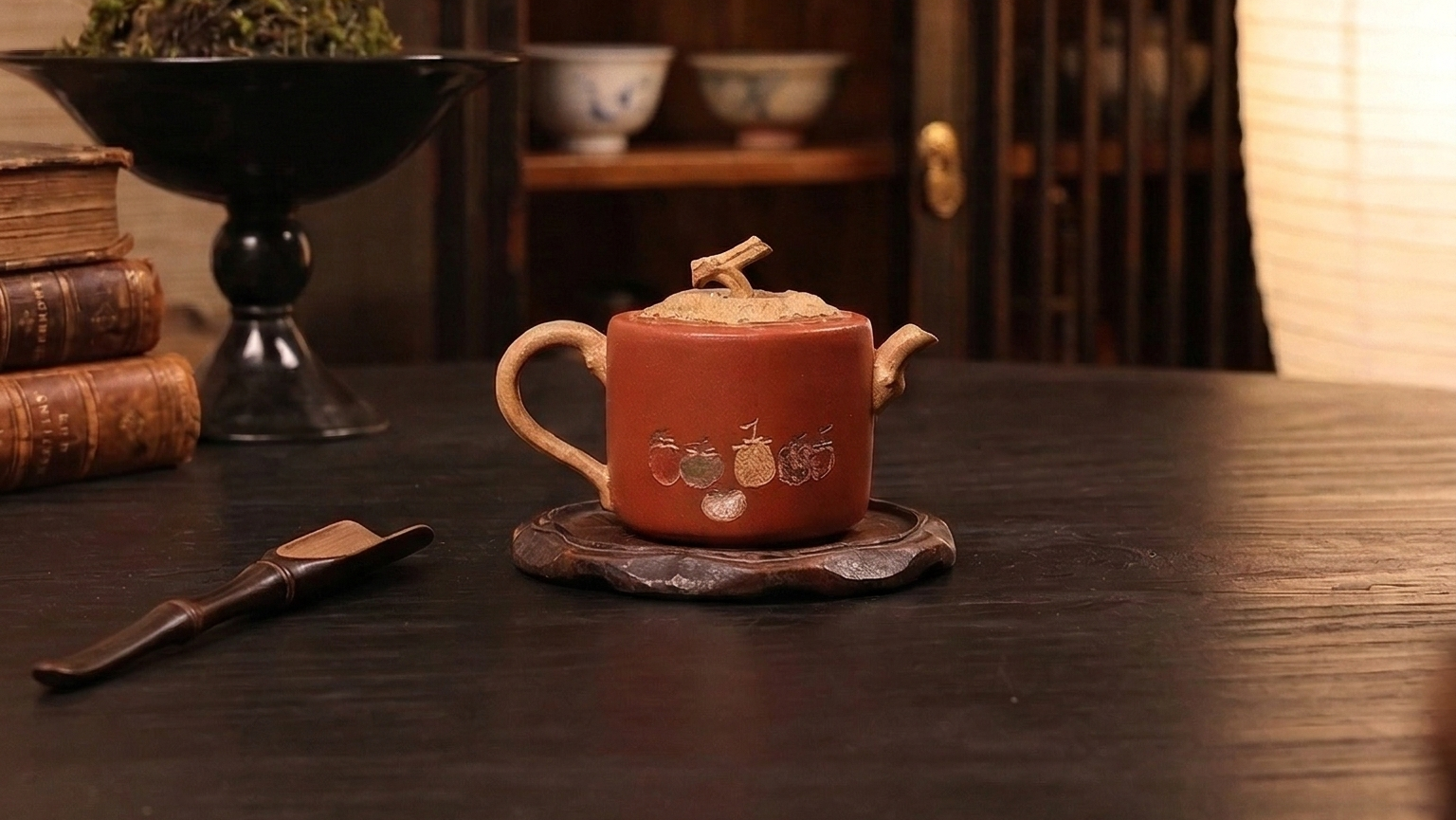
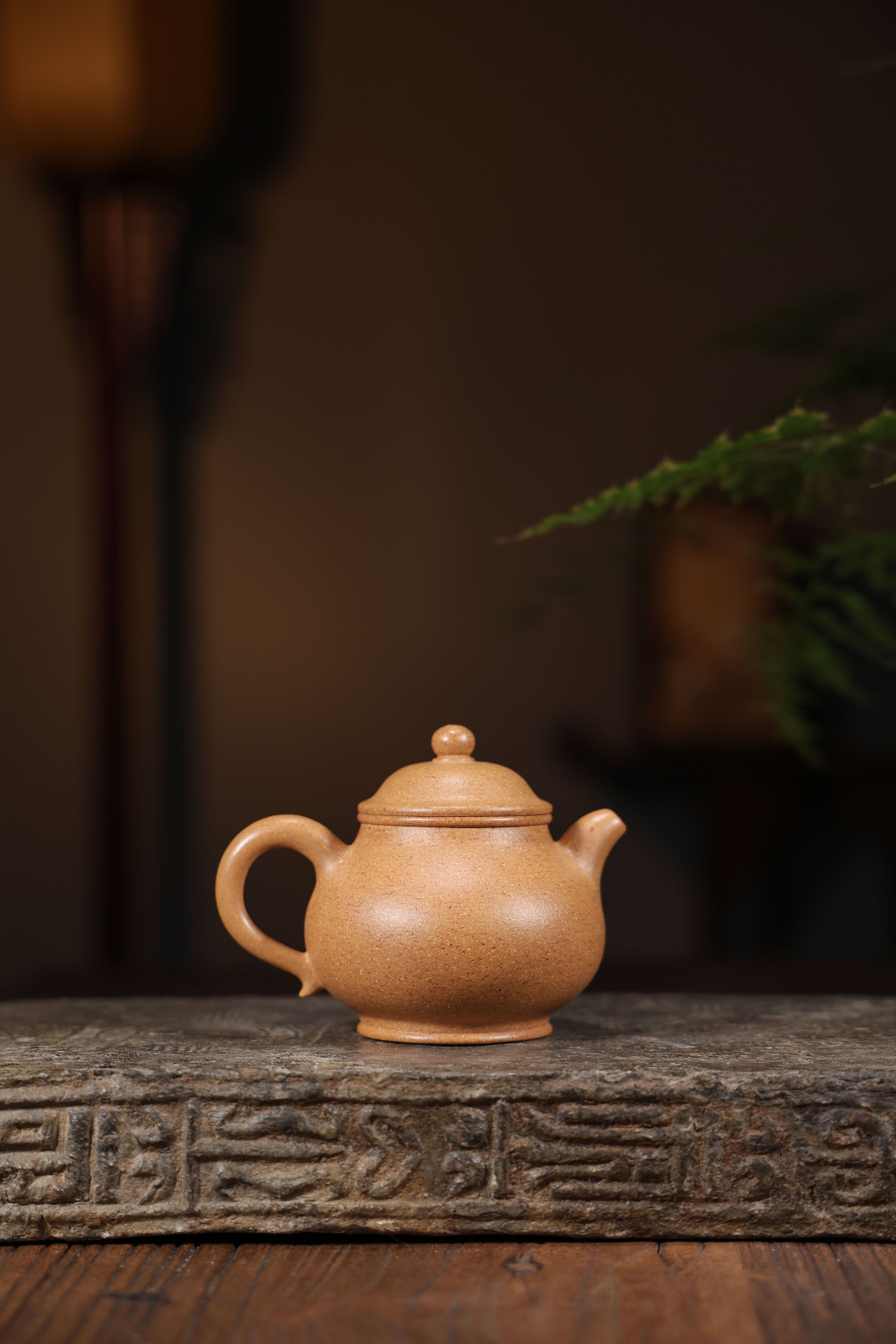
Yixing region's teapots constitute a significant tradition deeply intertwined with Chinese culture. Starting in the Yixing region of Jiangsu province, these clay vessels exhibit a heritage connecting back to the Ming Dynasty. Preliminary examples were functional, but across centuries, Yixing teapot production evolved into an esteemed art form. The clay itself, known for its unique texture and ability to refine the flavor of the tea, lasts a defining factor. Yixing Yixing Zisha Teapot teapots manifest in various patterns, broadly categorized by shape: Traditional such as Zhuni (purple clay) and Bisheng, as well as custom designs. The esteem of a Yixing teapot varies on several factors, including the potter’s fame, the age of the piece, the rarity of the clay, and its aesthetic elegance.- Record: Ancient times
- Substance: Multiple varieties
- Pricing Criteria: Rarity
Zisha Pot Creation: Methods and Artists
One crafting of a bona fide Zisha teapot is a complicated process, requiring generations of mastery. Expert artisans meticulously choose the prime Zisha clay, a specialized earth found only in specific regions of China. Traditional techniques, often conveyed through families, involve exacting shaping, sophisticated carving, and gradual firing in ancient incinerators. The ultimate teapot isn't merely a vessel; it's a testament to innovative vision and the deep connection between the artisan and their legacy. Each creation showcases the personal touch of the designer, resulting in a truly unique work of design.
The Clayware: Discovering the Extensive Traditions of the Yixing Locality
Yixing, placed in Jiangsu the jurisdiction, is universally renowned for its exceptional containers – a tangible representation of centuries of Chinese culture. These aren't merely vessels for creating tea; they are intricate works of artistry, often reflecting spiritual ideals. Such unique purple clay, known as Zisha, possesses exceptional qualities: the compound dense, diffusive, and imparts a subtle flavor to the tea.
- Diverse clans have honed the techniques of Yixing container making, passing down traditional methods through eras.
- Followers prize these pieces for their elegance and oddity.
- Particular vessel tells a legend, connecting the recipient to a rich past.
Considering Yixing Zisha: What to Look For
During examining get Yixing Zisha teapots, multiple considerations call for careful inspection. In the first place, the earth's shade is noteworthy; authentic Zisha habitually exhibits a definite brick undertone. Moreover, assess the workmanship; distinct characteristics and a polished covering signify proficient craft. Eventually, analyze the producer's prestige; reputable names yield augmented figures and often bestow a valuable reward.
Artisan Techniques for Brewing Tea in Zisha Pots
Crafting flavorful tea with a Zisha pot is more greater than a simple process; it's an art. Zisha clay, recognized for its unique chemical composition, imparts a soft character to the composed tea that’s often gone with other pots. The proper water temperature is key; typically, softer than what's used for black tea, to maintain the tea's aroma and zest. Consider conscientiously the tea kind; delicate green teas or aged pu-erhs advance from the Zisha’s ability to lessen their innate edge. It’s vital to rinse the teapot before brewing, and to exclude over-steeping. Mastering this procedure leads to a factually exceptional tea episode.
- Comprehending Zisha Clay
- Warming Level & Variety of Tea
- Significance of Pre-heating
Caring for Your Esteemed Earthenware
For the purpose of ensure the continuity of your valuable Yixing teapot, careful upkeep is utterly indispensable. Refrain from using synthetic products; instead, carefully wash it with mildly heated fluid. Avoid rapid heat; please don't put the earthenware directly onto a fiery stand. Periodically, mature the container by immersing it with choice aged steep, as this aids to strengthen its personality and guards the inimitable merits of the substance.
Dealing with Soil to Drinkware: The Path of a Renowned Teapot
This creation of a Zisha teapot is a extraordinary technique, a evidence to both the earth's bounty and the craft of the artisan. It initiates with the thorough extraction of the distinctive clay from the magenta Zisha mines by Yixing. This unfired material, known for its remarkable essences, is then slowly filtered and arranged for the initial forming. The jar’s silhouette is skillfully constructed using a amalgamation of traditional shaping procedures, often incorporating decorative designs. Following settling, the jar undergoes a indispensable first firing, followed by a surface treatment stage, which might involve numerous layers of authentic Zisha paints. Finally, a second, and sometimes third, firing at maximum temperatures completes the work, revealing its conclusive beauty and superlative characteristics - a veritable masterpiece, primed to grace a tea ritual.
{Yixing Teapots: A Token of the Custom and Tribute
Legendary Yixing teapots, originating from the noted Yixing region of Jiangsu province, are far more than mere vessels for brewing the beverage; they represent a deep aspect of Chinese artistry. Formed from distinctive purple clay – zisha – these singular teapots are highly coveted for their ability to elevate the flavor of the tea and, crucially, for their charm. The past of Yixing teapot making spans centuries, and the artistry involved is conveyed through generations, making each teapot a fine creation that embodies traditional techniques and a profound appreciation for the minimalist pleasures in life.