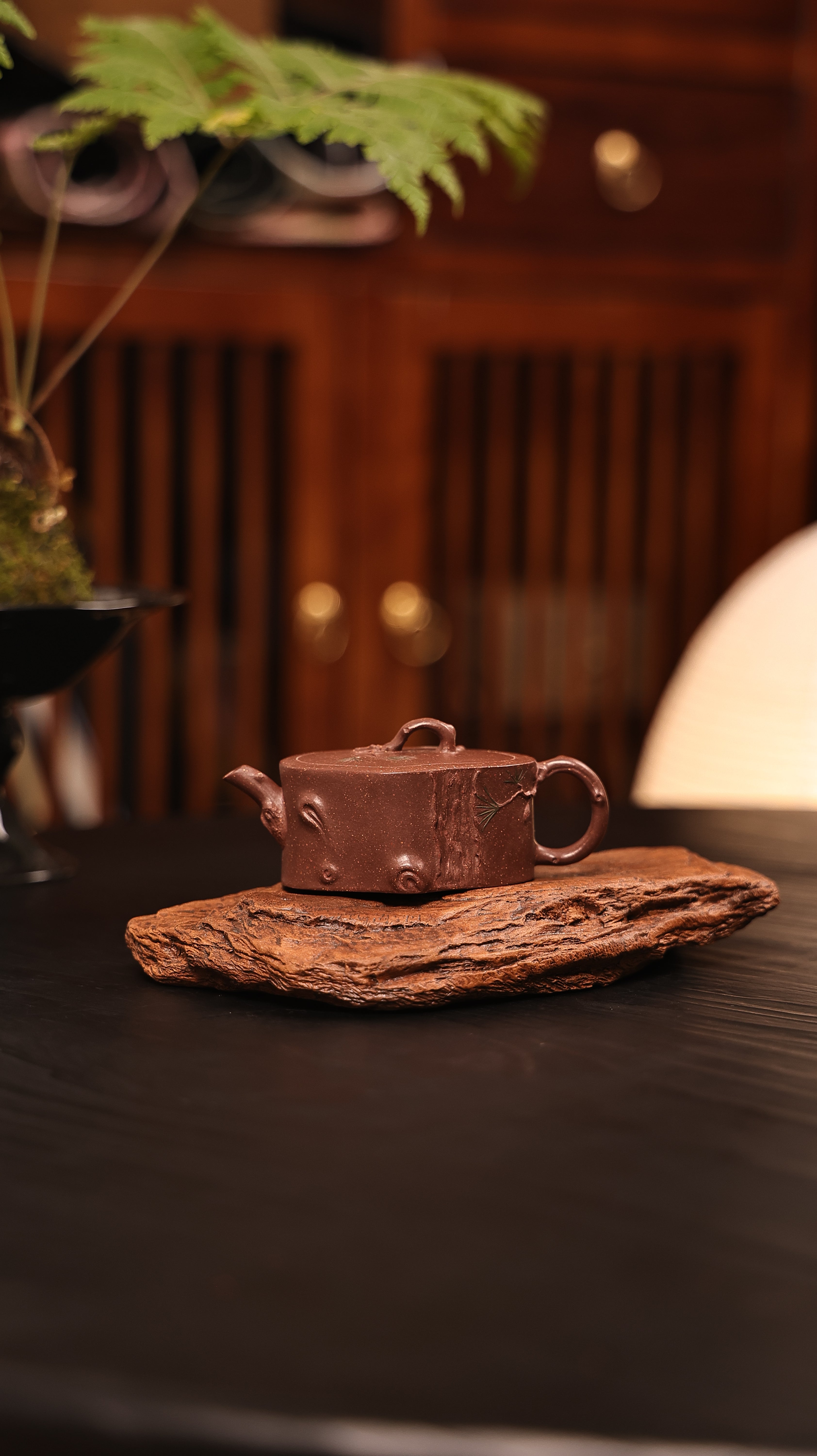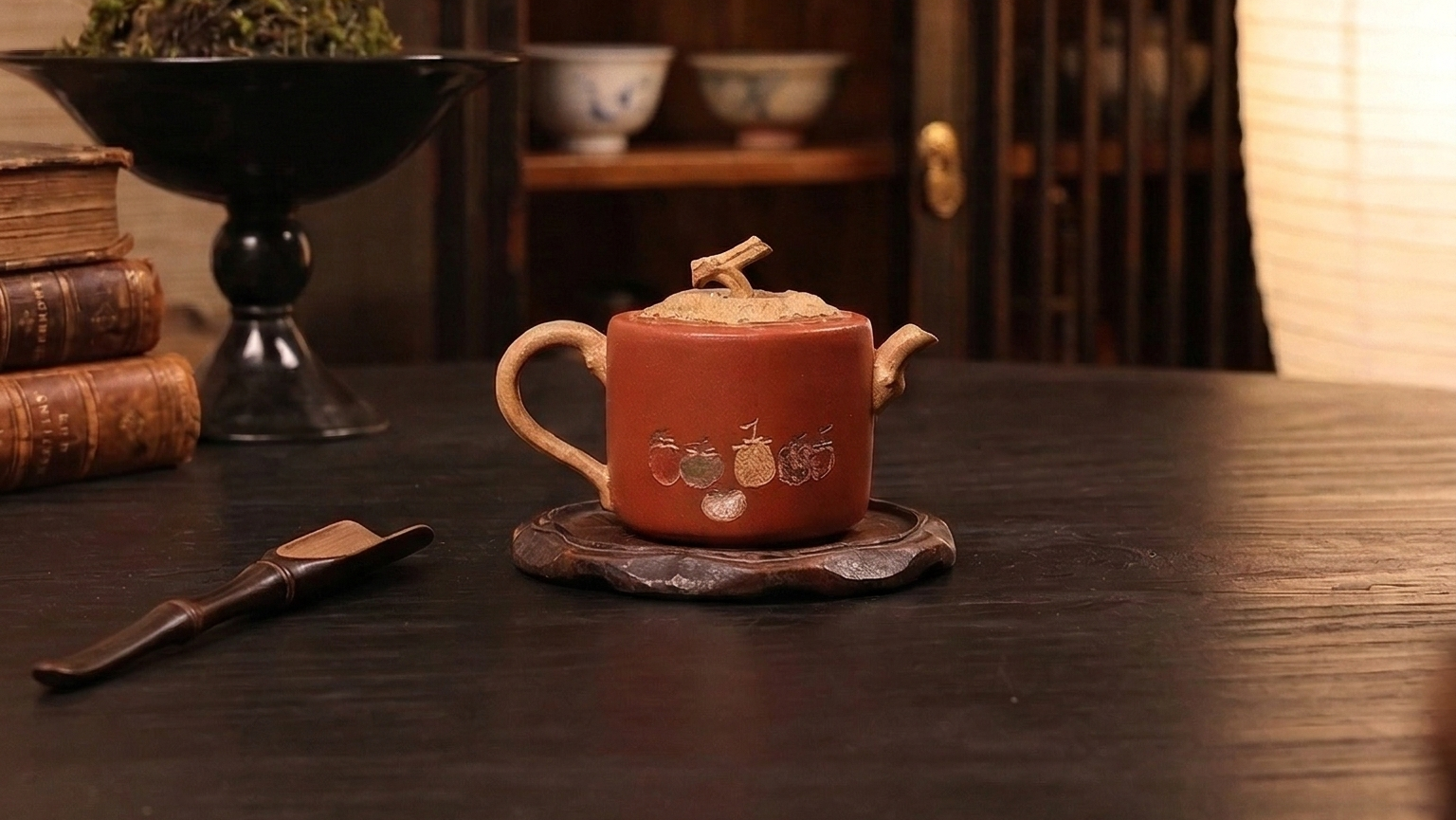
Enduring lineage expresses Yixing earthenware amid periods,
Representing singular properties derived through territorial lavender elements, the pitchers yield a layer throughout practice, heightening zest gathered from created extracts.
Unveiling Yixing Dregs: Broad Insights into Zisha
Various followers honor the unparalleled fabric of Yixing amethyst clay, a keystone of ancient Chinese earthenware. Coming from the Yixing region of Jiangsu province, this exceptional clay features an intricate mineral form, whereby offers fabulous qualities to the finished vessels. Variants within Zisha, including Ni Mud, Duan Ni Mud, and Jiang Xi Mud, each displays separate tones, feels, and baking traits, shaping the diffusibility and the terminal aroma evolution of the concoction.
Asiatic Vessel Traditions: Learning Technique
Sino teapots embody more mere urns for liquid; they symbolize centuries of inherited artistry. From the renowned Yixing clay variations, respected for their spongy nature which bestows special tones to the concoction, to the delicate porcelain from Jingdezhen, each piece discloses a chronicle of dedication. The forming process is an detailed practice, often bequeathed through generations of professionals. These craftsmen use long-standing practices such as hand-building, shaping on wheels, and enhancing, demonstrating profound reverence for the material and the skill itself. Ponder the attention invested in each piece as a symbol of Chinese porcelain legacy.
- Fine containers: a celebrated preference.
- Delicate ceramics teapots: recognized for their graceful design.
- Constructing techniques: a arduous yet worthwhile procedure.
Purple Clay Pitcher Care: Caring for Your Treasure
Appropriate management of your precious Yixing Zisha kettle is crucial to enhancing its durability. Crafted from distinct purple sand dirt, these first-rate teapots build a lovely patina after utilization, substantially boosting their allure. Withhold washers; a soft rinse with moderate temperature hydraulic medium is enough. Shun heated water for cleaning the teapot, as it may crack its fabric. Allow it to lose wetness away from direct radiance. Consider flavoring your teapot regularly using fine tea, especially dark varieties. Here is a brief overview:
- Swill with comfortably warm liquid.
- Eschew cleansers.
- Provide it to air dry.
- Cure with premium tea.
Background of Yixing Teapots: Initial Phases
The saga of Yixing teapots arises fundamentally during the Ming dynasty, approximately the 16th era. Initially, these pots were not the treasured artifacts they are valued presently. They were created by territorial potters using the unparalleled purple clay gathered solely in the Yixing vicinity. These early artifacts were mostly utilitarian, targeted for usual utilization and often unpretentious in layout. It was not until the next dynasty that they triggered to earn reputation beyond mere useful ceramics.
Opting For the Proper Zisha Pot: A Starter's Explanation
Starting the field of Yixing teapots can be discouraging, but never resisting! For initiates, the essential factor is understanding the material. Genuine Yixing clay is prized for its absorbency, allowing the teapot to collect the tea's note over time, refining every preparing session. Reflect on the form; traditional curved shapes prevail, yet particular preferences hold sway. Lastly, examine the texture—while some favor an basic appearance, others value a mild gloss. Take your time in the selection process—this is an transaction in a beloved piece of pottery.
Zisha Pitchers and Their Role on Chinese Beverage Lifestyle
Zisha jars, coming from Yixing, China, have profoundly defined customary Chinese drink culture. The Yixing clay teapots, prized for their singular shade, fabric, and exceptional ability to impart a subtle essence to the beverage, represent more than mere holders; they are admired objects and symbols of renown. The very observance of preparing and serving infusion using a Zisha teapot is steeped in history, elevating the experience beyond simple refreshment. Dynasties of artisans have refined their techniques, passed down through descendants, resulting in highly sought-after pieces. Consequently, Zisha teapots are frequently gathered, playing a crucial part in cultivating local appreciation for aesthetics and the ceremony of beverage ceremonies.
- Peculiar Clay Composition
- Providing Subtle Flavor
- Detailed Craftsmanship
Determining Verified Precious Local Vessels
Collecting a authentic Yixing teapot can be a enjoyable experience, but the realm is often plagued with imitations. Telling between a certified antique and a recent reproduction requires exact inspection. Key indicators include the clay's mahogany shade, often displaying striped textures, and the shortage of modern firing imprints. The outlines should reveal natural grace, reflecting Zisha Teapot the traditional Yixing design. Finally, evaluating the artisan's emblem is paramount to verify legitimacy against official testimonies.
- Assess the clay's feel.
- Look for irregularities, indicative of tailored quality.
- Seek an authority for validation.
Investing in Chinese Containers: A Informative Primer to Pottery Recognition
The environment of Yixing Zisha wares affords a significant chance for insightful investors. Continuously, the market price of these mastercrafted artifacts is regulated by distinct factors, such as the grade of earthenware, the mastery of the creator, the ancestral relevance, and, naturally, the modern popularity. Rookies should invest time on understanding the different types of Zisha clay—such as 冰河, Calm Pot, and Scarlet Earth—and researching the traits linked to each. Thorough assessment of the teapot's form, hue, and seal is also mandatory to make educated evaluations when investing.