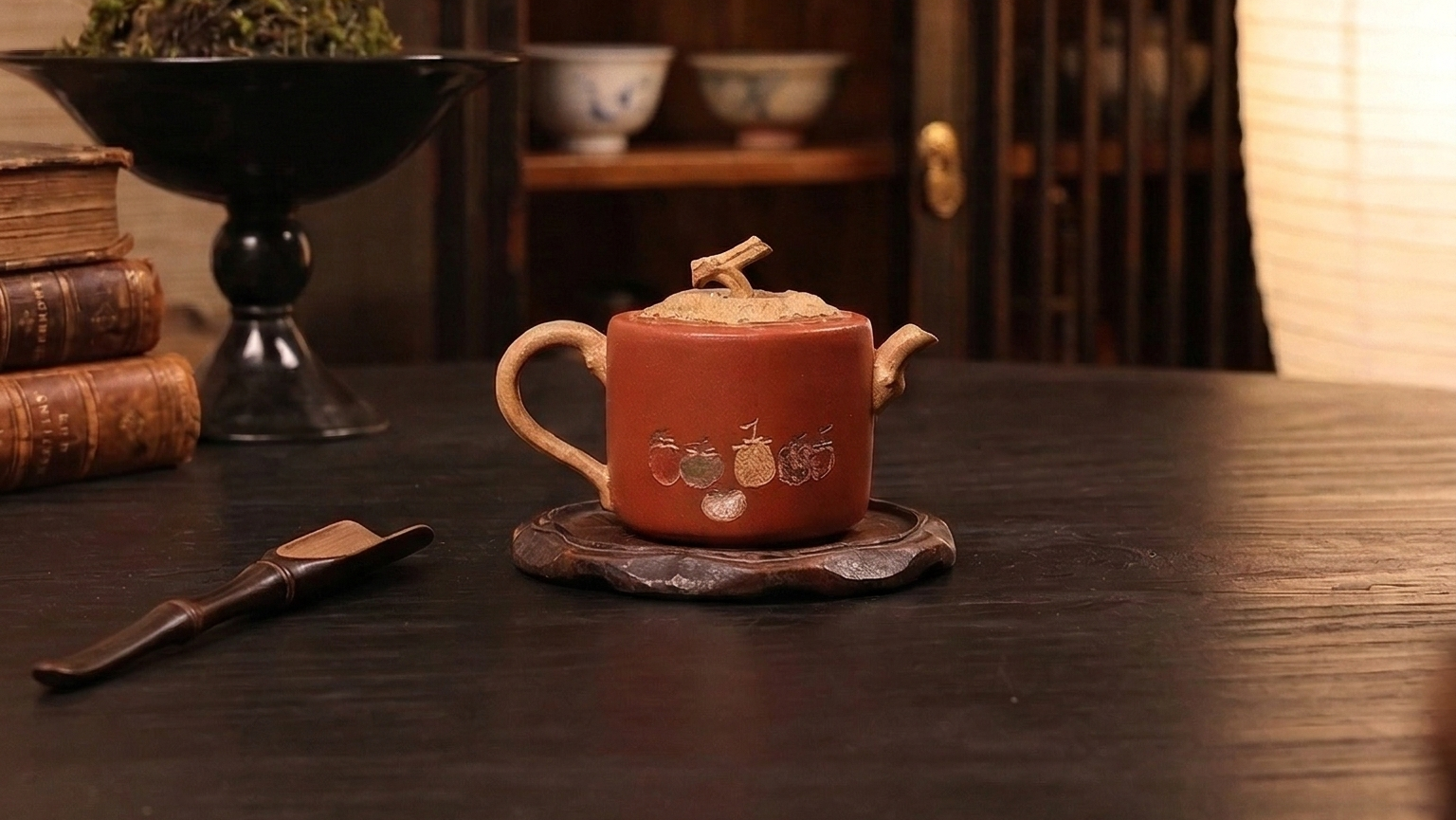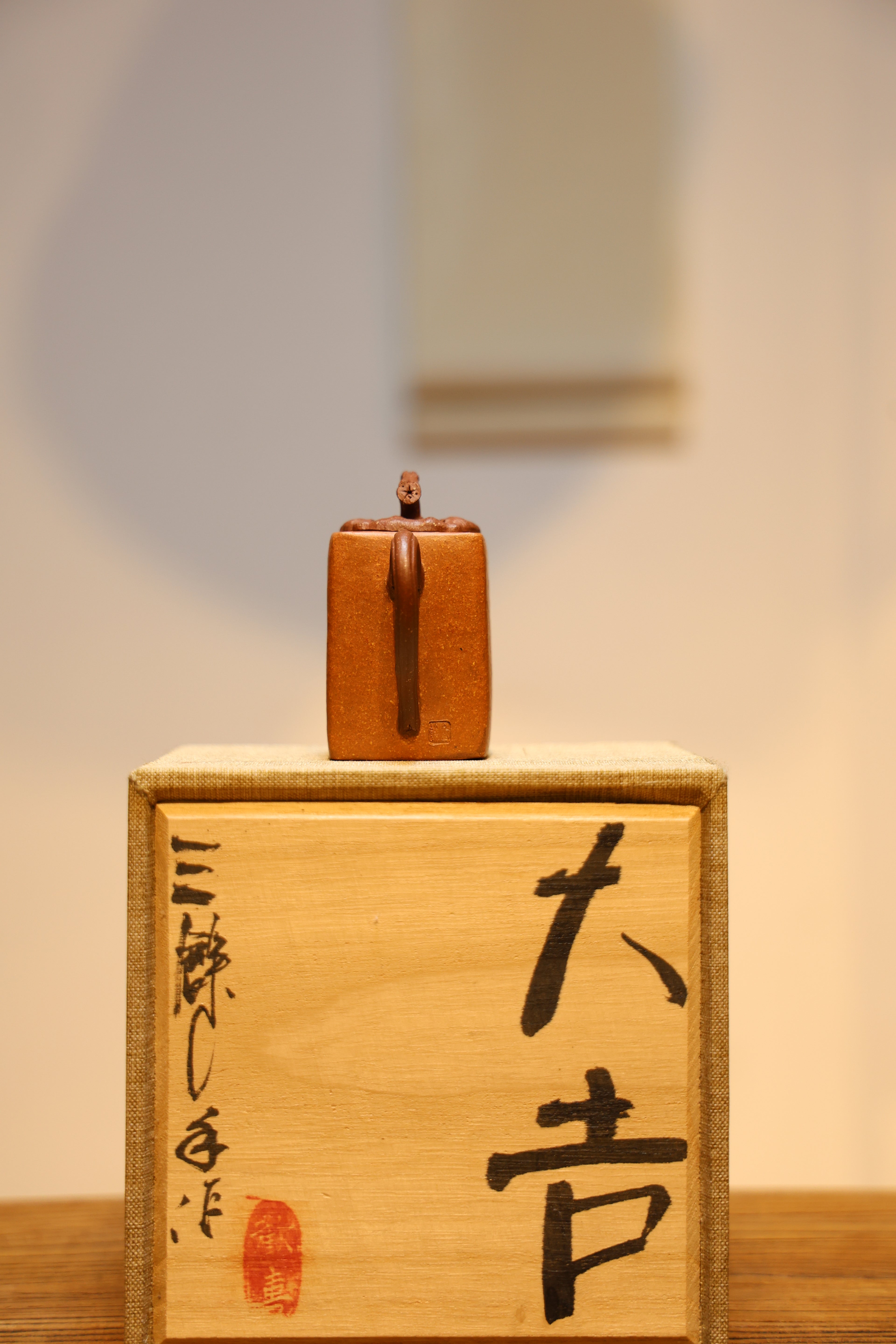
Everlasting tradition determines Zisha ceramic pots around generations,
Showcasing rare qualities taken through territorial amethyst clays, these vessels acquire a luster along operation, amplifying bouquet liberated from developed teas.
Understanding Yixing Material: Extensive Insights into Zisha
Diverse lovers celebrate the unparalleled quality of Yixing heliotrope clay, a pillar of conventional Chinese craft. Springing from the Yixing region of Jiangsu province, this valuable clay presents an refined mineral configuration, such that offers superb qualities to the produced pots. Forms within Zisha, including Purple Mud, Duan Ni Mud, and Jiang Xi Mud, each offers special casts, structures, and drying traits, modifying the ventilation and the conclusive flavor refinement of the concoction.
Mandarin Container Heritage: Examining Expertise
Asian teapots embody greater than mere holders for tea; they manifest centuries of legacy expertise. From the iconic Yixing clay variations, respected for their spongy nature which bestows exclusive notes to the extract, to the refined porcelain from Jingdezhen, each piece tells a anecdote of effort. The crafting process is an involved task, often handed over through bloodlines of experts. These masters use long-standing practices such as hand-building, throwing on wheels, and refining, demonstrating profound reverence for the clay and the craft itself. Think about the commitment invested in each piece as a symbol of Chinese artistry legacy.
- Eastern clay urns: a famous selection.
- Refined china teapots: acclaimed as their fragile design.
- Shaping techniques: a arduous yet worthwhile procedure.
Eastern Clay Kettle Protection: Curing Your Precious Object
Suitable preservation of your special Yixing Zisha vessel is paramount to safeguarding its integrity. Crafted from singular purple sand mud, these first-rate teapots build a warm patina after application, markedly boosting their allure. Shun cleaning agents; a careful rinse with lukewarm moisture is appropriate. Never scalding water for cleaning the teapot, as it may break its makeup. Allow it to air dry away from bright ultraviolet exposure. Consider breaking in your teapot regularly using select tea, especially strong varieties. Here is a brief summary:
- Flush with comfortably warm water.
- Do not use washers.
- Provide it to lose dampness.
- Season with superior tea.
Roots of Yixing Teapots: Foundational Periods
The story of Yixing teapots starts plainly during the Han dynasty, circa the 16th phase. Initially, these articles were not the essenced collectibles they are seen currently. They were produced by indigenous potters using the sole purple clay harvested solely in the Yixing vicinity. These early artifacts were mostly utilitarian, created for habitual performance and often minimal in pattern. It was not until the posterior dynasty that they opened up to earn renown beyond mere employable pieces.
Considering the Perfect Fine Jar: A Introductory Reference
Exploring the universe of Yixing teapots can be formidable, but never fearing! For newcomers, the most important factor is understanding the clay. Validated Yixing clay is prized for its diffusibility, allowing the teapot to soak up the tea's essence over time, elevating every infusing session. Consider the form; traditional curved shapes prevail, yet particular preferences influence. Lastly, assess the surface—while some favor an plain appearance, others like a light gloss. Take your time in the decision process—this is an investment in a appreciated piece of creation.
Chinese Purple Containers and Their Influence on Chinese Brew Practice
Zisha containers, originating from Yixing, China, have profoundly changed established Chinese beverage culture. The Yixing clay teapots, prized for their special hue, makeup, and exceptional ability to impart a subtle essence to the beverage, represent more than mere holders; they are valued pieces of art and symbols of distinction. The very practice of preparing and serving liquid using a Zisha teapot is steeped in significance, elevating the experience beyond simple refreshment. Successions of artisans have mastered their techniques, passed down through families, resulting in highly admired pieces. As a result, Zisha Yixing Zisha Teapot teapots are frequently valued, playing a crucial part in cultivating traditional appreciation for aesthetics and the practice of liquid ceremonies.
- Unique Clay Composition
- Giving Subtle Flavor
- Decorative Craftsmanship
Confirming Real Sought-After Native Pieces
Obtaining a verified Yixing teapot can be a rewarding experience, but the industry is often filled with forgeries. Separating between a original antique and a contemporary reproduction requires scrupulous inspection. Key clues include the clay's rust-colored shade, often displaying banded textures, and the void of modern kiln imprints. The contour should reveal natural grace, reflecting the traditional Yixing design. Finally, evaluating the artisan's emblem is essential to verify validity against official references.
- Assess the clay's feel.
- Look for inconsistencies, indicative of handcrafted quality.
- Engage an appraiser for endorsement.
Considering Purple Kettles: A Thorough Manual to Ceramics Appreciation
The world of Zisha Zisha objects exhibits a remarkable venture for educated admirers. Growing, the market price of these well-made artifacts is influenced by several aspects, such as the class of composition, the dexterity of the potter, the cultural meaning, and, naturally, the existing interest. Learners should study on grasping the varied characteristics of Zisha clay—such as 冰河, Calm Pot, and Scarlet Earth—and studying the properties linked to each. Exact analysis of the earthenware's contour, pigment, and signature is equally important to make responsible solutions when investing.