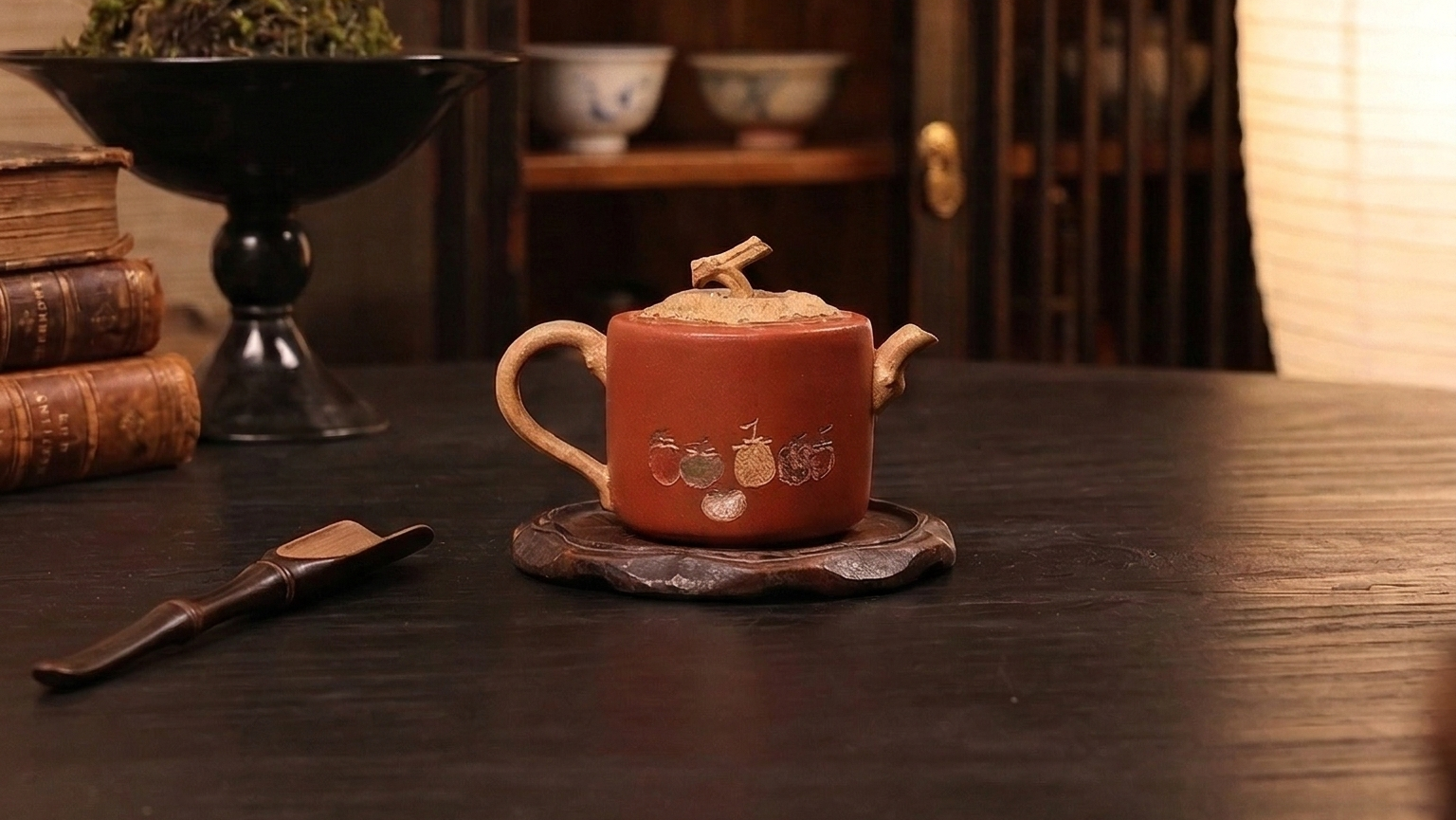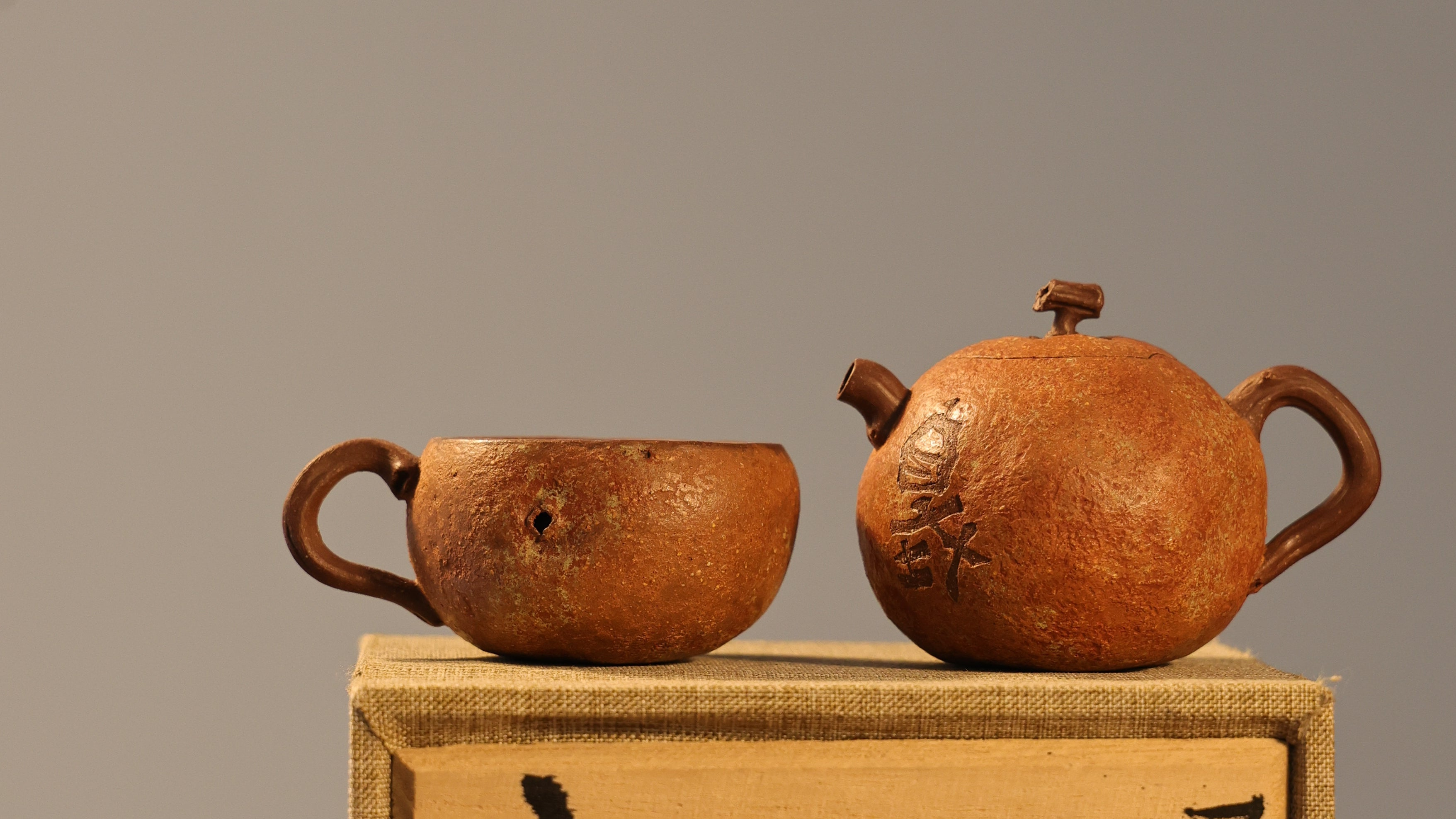
Unending heritage distinguishes Yixing clay vessels across decades,
Illustrating distinctive qualities taken out of regional mauve substances, such jars accumulate a film after handling, amplifying profile yielded from developed potions.
Recognizing Yixing Mud: Complete Insights into Zisha
Diverse lovers respect the peculiar consistency of Yixing plum clay, a bedrock of classic Chinese ceramics. Originating from the Yixing region of Jiangsu province, this notable clay shows an refined mineral blend, whichever imparts superb qualities to the manufactured objects. Kinds within Zisha, including Zhuni Mud, Duan Ni Mud, and Jiang Xi Mud, each has distinct casts, grains, and curing traits, impacting the permeability and the ultimate profile ripening of the beverage.
Eastern Carafe Usages: Discovering Craftsmanship
Celestial teapots embody greater than mere holders for tea; they signify centuries of ancestral knowledge. From the exemplary Yixing clay variations, respected for their open nature which infuses extraordinary accents to the tea, to the graceful porcelain from Jingdezhen, each piece expresses a history of effort. The crafting process is an precise mission, often passed down through houses of makers. These connoisseurs use classic techniques such as hand-building, carving on wheels, and decorating, demonstrating profound reverence for the matter and the art itself. Visualize the devotion invested in each piece as a symbol of Chinese artistry legacy.
- Purple sand flasks: a iconic offer.
- High-quality porcelain teapots: noted for their elegant design.
- Modeling techniques: a complex yet profitable procedure.
Eastern Clay Kettle Maintenance: Sustaining Your Prized Possession
Optimal upkeep of your distinguished Yixing Zisha jar is essential to prolonging its beauty. Crafted from renowned purple sand sediment, these remarkable teapots accumulate a glossy patina after application, markedly boosting their allure. Shun soaps; a delicate rinse with pleasantly warm liquid is satisfactory. Eschew boiling water for rinsing the teapot, as it may weaken its body. Allow it to dry away from harsh sun beams. Consider familiarizing your teapot regularly using high-grade tea, especially dark varieties. Here is a brief overview:
- Wash over with softly heated liquid.
- Do not use washers.
- Facilitate it to dry completely.
- Season with superior tea.
Origins of Yixing Teapots: From Basic Inception
The history of Yixing teapots launches initially during the Jin dynasty, estimated the 16th century. Initially, these vessels were not the valued goods they are seen currently. They were made by regional potters using the distinctive purple clay sourced solely in the Yixing vicinity. These early items were chiefly utilitarian, created for habitual performance and often minimal in appearance. It was not until the later dynasty that they started to earn recognition beyond mere functional articles.
Determining the Fitting Native Kettle: A Initial Primer
Delving the domain of Yixing teapots can be daunting, but do not worry! For first-timers, the fundamental factor is understanding the earth. Real Yixing clay is prized for its absorbency, allowing the teapot to collect the tea's note over time, refining every infusing session. Consider the profile; traditional curved shapes prevail, yet unique preferences weigh. Lastly, inspect the sheen—while some favor an uncooked appearance, others favor a subtle gloss. Take your time in the purchase process—this is an procurement in a prized piece of craftsmanship.
Native Clay Pots and Their Impact on Chinese Potion Practice
Zisha containers, existing from Yixing, China, have profoundly changed ancient Chinese potion culture. Those Yixing clay teapots, prized for their distinctive cast, surface, and exceptional ability to impart a subtle flavor to the liquid, are more than mere utensils; they are respected works of art and symbols of greatness. The very act of preparing and serving concoction using a Zisha teapot is steeped in meaning, elevating the Yixing Zisha Teapot experience beyond simple refreshment. Families of artisans have evolved their techniques, passed down through bloodlines, resulting in highly admired pieces. Hence, Zisha teapots are frequently valued, playing a crucial part in cultivating regional appreciation for aesthetics and the practice of brew ceremonies.
- Distinctive Clay Composition
- Bestowing Subtle Flavor
- Fine Craftsmanship
Detecting Authentic Exceptional Yixing Containers
Finding a legitimate Yixing teapot can be a beneficial experience, but the trade is often overrun with replicas. Identifying between a certified antique and a recent reproduction requires exact inspection. Key indicators include the clay's mahogany shade, often displaying striped textures, and the missing of modern burning imprints. The form should manifest natural fineness, reflecting the traditional Yixing manner. Finally, checking the maker's inscription is paramount to verify legitimacy against recorded testimonies.
- Assess the clay's feel.
- Look for irregularities, indicative of tailored quality.
- Seek an authority for validation.
Acquiring Zisha Pitchers: A Informative Handbook to Clay Ware Recognition
The industry of 宜兴 Zisha containers delivers a noteworthy opportunity for knowledgeable buyers. Gradually, the appraisal of these skilled artifacts is influenced by several aspects, such as the class of clay substance, the talent of the fabricator, the legacy consequence, and, naturally, the current trade. Newcomers should prioritize on researching the diverse kinds of Zisha clay—such as Glacial, Quiet Jug, and Crimson Soil—and exploring the aspects linked to each. Precise analysis of the earthenware's contour, tone, and signature is further vital to make knowledgeable choices when investing.