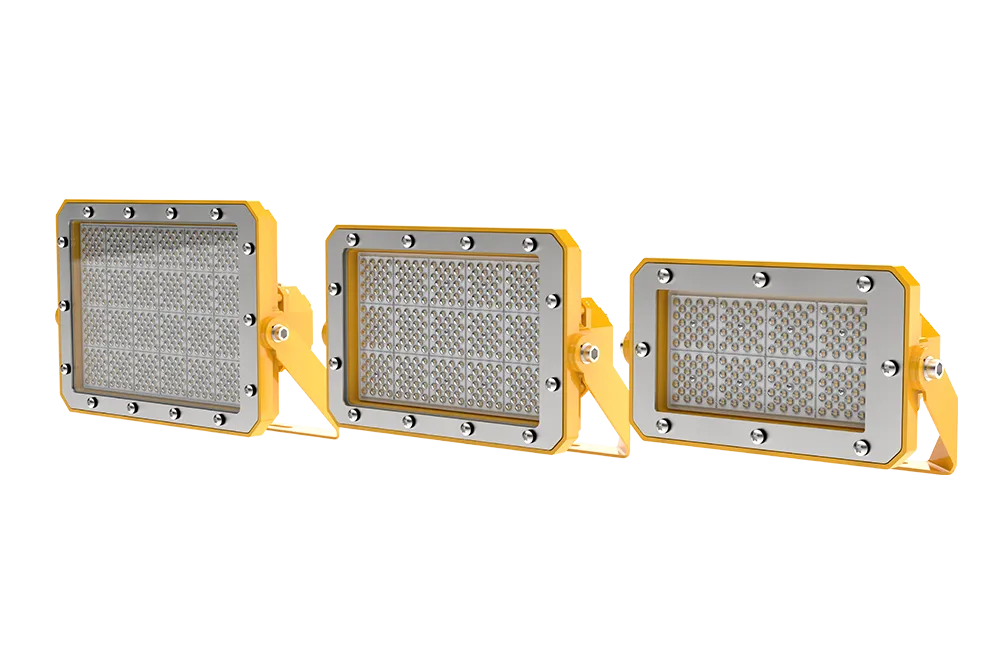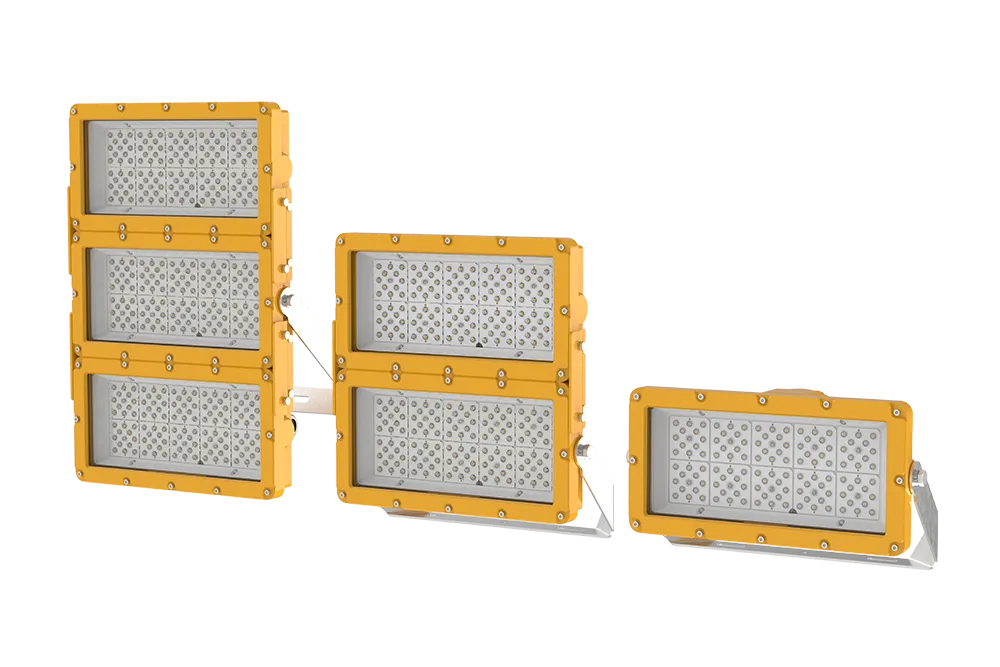
Launching aforementioned write-up discusses a methods with explosion-proof systems through manufacturing environments.
Executing effectively in critical sites like mining sites demands purpose-built hardware to ward off likely disasters. Fire-secure lighting devices are vital modules in comparable locations, fabricated to resist energy releases, explosive vapors, and flammable environments. Various units are not fundamentally risk-free; in contrast they are assembled to encapsulate any contained electric burst or spark and inhibit it from producing a more extensive discharge in the nearby region. This guide delivers primary details about explosion-proof sources, their exploits, and protection points for applying them appropriately.
Decoding Explosion Proof Lighting Standards
Navigating certain detonative lighting guidelines can be challenging, especially across sectors engaged in hazardous atmospheres. These standards – often supported by authorized bodies such as the National Electrical Association (NEC), ATEX (Europe), and IEC – formulate clear design and mounting methods to prevent the chance of flaring from voltage-based tools. Understanding these standards is essential for ensuring personnel safety and observance with mandatory commands.
Crystal Explosion Proof Fixtures: Performance & Protection
Electroluminescent ignition-proof illumination devices demonstrate a important growth over previous neon fixtures in settings where reactive chemicals are manifest. These tough apparatus just yield premium energy management, culminating in lessened maintenance charges, but specifically maintain a enhanced grade of safety by mitigating the threat of arcing because of discharge discharge}.
Explosive Hazardous Region Hazardous Proof Ignition Fire Light Resistant} Units : A Extensive Examination
Explosion Certified Perilous Setting Unsafe Proof} Lights are intentionally crafted lighting devices built to operate safely within plausibly ignitable environments. These resilient fixtures block sparks, energy and voltage streams from causing a grave explosion. They frequently incorporate innovative designs, employing such as closed housings and fundamentally safe wireless modules to ensure safety criteria in sectors like mineral & fuel gas processing, chemical plants, digging operations, and drug production.
Identifying the Right Flameproof Illumination for Unsafe Sites
Identifying the most fitting fire-safe lighting for a defined classified space needs careful review. Indicators such as the designation (e.g., Level I, II, or III and zones A) shall be correctly examined to ensure observance with corresponding security laws. Excluding the region's basic risks, assess natural states, such as thermal state and condensation, to find a long-lasting and harmless approach. Always check a trained engineer to lead your selection process.
Sites Where Apply Explosion Proof Lights?
Explosion-proof otherwise named intrinsically safe|hazardous location|Class-rated} lights are essentially needed in various areas where reactive chemicals or residues could potentially create a hazardous atmosphere. This often includes processing treatment plants, sealant application areas, harvest handling facilities, and effluent management treatment works. Regulations, such as those from NEC and ATEX, specify their placement in these environments to mitigate the risk of fire and maintain safety stability.
Gains of Electroluminescent in Fire Safe Units
Utilizing Semiconductor technology for hazloc illumination offers a significant variety of gains. First, electroluminescent units boast a noticeably longer functional period compared to traditional fluorescent fixtures, reducing repair fees and idle times. They are also basically safer, producing diminished caloric output which lowers the threat of burning in risky atmospheres. In addition, light emitting diodes are increasingly power conserving, leading to reduced electrical power payments and a reduced environmental imprint. Finally, the hardy build of Light Emitting Diode components bears the demanding conditions typical of detonation-safe areas.
- Prolonged Operating Life
- Curtailed Repair Costs
- Heightened Precaution
- Minimized Energy Draw
- Increased Reliability
Sustaining and Inspecting Explosion Proof Lighting Systems
Consistent servicing and in-depth assessment of spark proof lighting configurations are absolutely essential for upholding safety and minimizing potential hazards. This entails a periodic review of all modules, such as luminaires, ducts, wiring, and related terminal enclosures. Primarily, confirm for wear, structural compromise, and appropriate bond connection. Additionally, certify that all identifications are noticeable and that the light fulfills authorized protocols.
- Complete surface inspections.
- Inspect conductive junctions.
- Confirm fire-proof compliance.
Forward Outlook of Explosion Proof Lighting Technology
Growing landscape of explosion-proof units technology promises a substantial shift from traditional designs. Future technologies will steadily incorporate networked capabilities, enabling dispersed monitoring, diagnostics, and dynamic control. We expect a rising adoption of luminescent technology, not only for its fundamental energy efficiency, but also its capability to facilitate installed sensors for gauging hazardous conditions. What is more, materials examination is fostering innovations in tough housing units materials, allowing for trimmed and more efficient designs, while maintaining the required levels of safety.
- Improved battery life for portable applications.
- Combination with proactive maintenance systems.
- Design of self-maintaining lens methodologies.