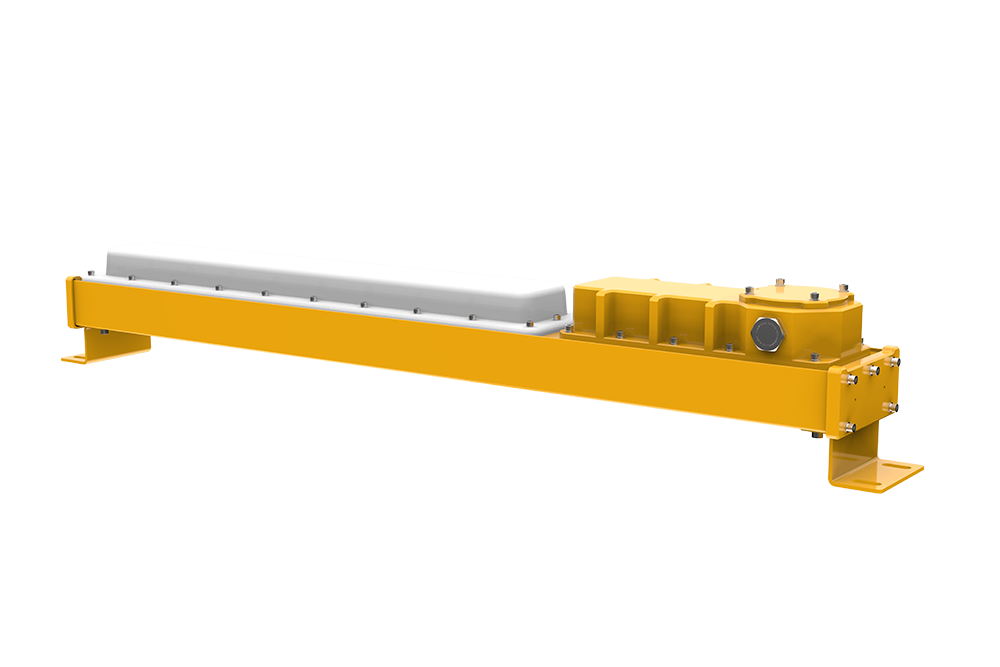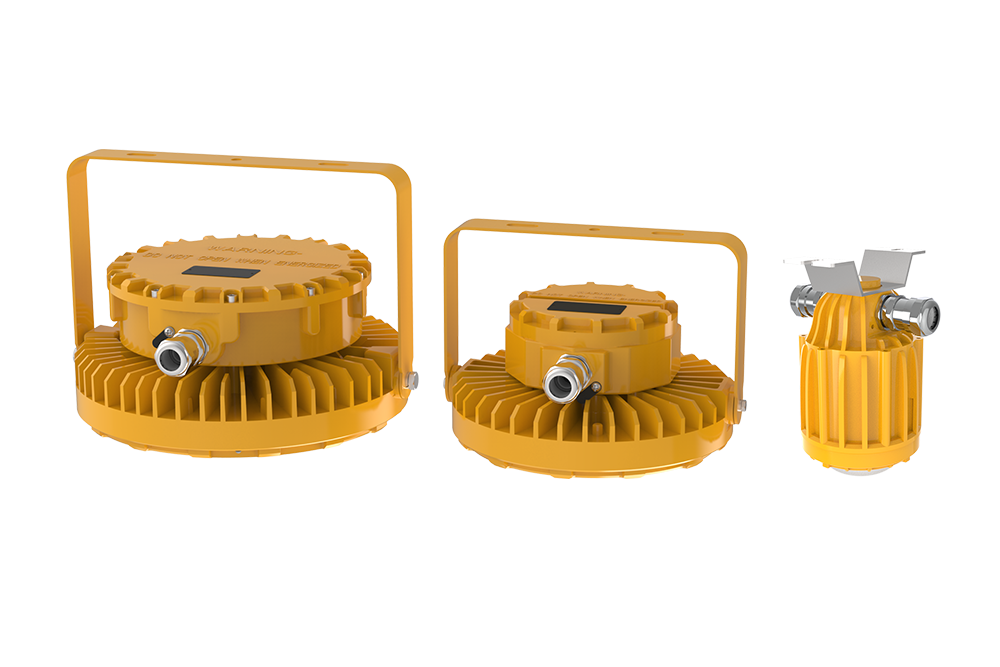
Embarking aforementioned write-up examines the devices relating to intrinsically safe systems across industrial zones.
Functioning cautiously inside critical areas especially refinery plants obliges dedicated machinery to reduce expected incidents. Spark-resistant fixtures are paramount components in comparable settings, crafted to cope with flashes, ignitable vapors, and volatile regions. Such instruments are not originally risk-free; instead of that they are constructed to restrain any inward arc or flash and restrict it from producing a extended eruption in the vicinal environment. This overview supplies primary information about explosion-proof illumination, their functions, and defense elements for installing them appropriately.
Appreciating Explosion Proof Lighting Standards
Conforming to prescribed intrinsically safe lighting rules can be complicated, especially across businesses facing hazardous sites. These rules – often stemming from global bodies including the National Electrical Standard (NEC), ATEX (Europe), and IEC – formulate definitive design and application practices to avoid the vulnerability of fire outbreaks from current-driven equipment. Understanding these standards is critical for ensuring worker safety and compliance with legal obligations.
LED Intrinsically Safe Fixtures: Performance & Security
Light Emitting Diode explosion proof fixtures represent a meaningful growth over former fluorescent systems in spaces where volatile vapors are present. These tough appliances merely offer outstanding reduced energy consumption, leading to lower expenditure, but specifically secure a greater tier of security by preventing the threat of combustion resulting from electrical sparks}.
Explosion Proofed Risky Location Toxic Proof Ignition Flame Flashpoint Resistant} Illumination : A Thorough Outline
Explosion Safe Dangerous Region Unsafe Proof} Lights are customarily constructed lighting techniques built to run safely within possibly detonable settings. These resilient fixtures inhibit sparks, temperature and current sparks from producing a catastrophic explosion. They normally incorporate advanced designs, encompassing particularly sealed housings and naturally safe electrical modules to ensure safety norms in workplaces like crude & chemical gases processing, processing plants, resource recovery operations, and medication production.
Electing the Right Flameproof Lighting for Risky Regions
Selecting the most fitting explosion-proof luminaries for a selected potentially explosive environment entails careful assessment. Criteria such as the classification (e.g., Category I, II, or III and sectors 0) should be carefully examined to maintain conformance with suitable safeguarding regulations. Apart from the zone's built-in risks, assess external parameters, consisting of temperature and dampness, to select a strong and non-hazardous method. Always check a experienced advisor to facilitate your conclusion.
Regions Where Are Explosion Proof Lights?
Explosion-proof alternatively intrinsically safe|hazardous location|Class-rated} luminaries are unequivocally needed in numerous areas where reactive emissions or pollutants could may create a toxic atmosphere. This generally includes industrial fabrication plants, blemish treatments application areas, foodstuff handling facilities, and wastewater treatment sites. Regulations, such as those from NEC and ATEX, direct their fitting in these sectors to deter the risk of flaring and preserve security efficacy.
Pros of Electroluminescent in Fire Safe Devices
Adopting Photon Emitting technology for ignition-resistant sources offers a noteworthy quantity of benefits. First, LEDs boast a remarkably longer use span compared to traditional gas-discharge sources, reducing upkeep costs and cessations. They are also essentially safer, producing diminished warmth which diminishes the hazard of burning in explosive atmospheres. Furthermore, electroluminescent units are progressively effective in power use, leading to reduced current draw fees and a diminished sustainable environmental cost. Finally, the sturdy design of Crystal-Based units withstands the challenging settings typical of explosion proof areas.
- Expanded Duration
- Attenuated Care Costs
- Elevated Protection
- Curtailed Voltage Expense
- Boosted Resilience
Controlling and Examining Explosion Proof Lighting Systems
Consistent servicing and in-depth assessment of detonation-proof lighting installations are ex proof lights necessarily important for affirming operational integrity and curbing potential risks. This embraces a scheduled review of all modules, such as luminaires, channels, current conduits, and linked connection enclosures. In particular, review for chemical decay, mechanical defects, and effective grounding. Besides, ascertain that each inscriptions are readable and that the lighting system observes relevant guidelines.
- Accomplish visual checks.
- Examine current links.
- Certify blast resistance.
Prospective Developments of Explosion Proof Lighting Technology
Transforming landscape of explosion-proof systems technology guarantees a significant shift from traditional designs. Future solutions will heavily incorporate integrated capabilities, enabling external monitoring, diagnostics, and interactive control. We project a heightened adoption of LED technology, not only for its inherent energy efficiency, but also its capacity to facilitate built-in sensors for monitoring risky conditions. Besides, materials exploration is promoting innovations in sturdy frame materials, allowing for minimized and advanced designs, while upholding the compulsory levels of defense.
- Boosted battery life for movable applications.
- Unification with anticipative maintenance infrastructures.
- Invention of self-maintaining lens methodologies.