Beginning an extensive exploration related to state-of-the-art machinery usability methods.
Rubber membrane control keys present a long-lasting and adjustable alternative for input devices across a multitude of domains. The design typically involves fabricating liquid silicone rubber into a custom shape, authorizing for refined geometries and built-in features. Fundamental virtues include exceptional temperature resistance, atmospheric resilience, and a soft experience under finger pressure. Purposes are comprehensive, from car input panels and medical apparatus to mechanical panels and even residential instruments. Their potential to tolerate tough milieus and offer trustworthy performance makes them a recommended option for many developers.
Custom membrane switches: Customizing input designs for gadgetry pieces
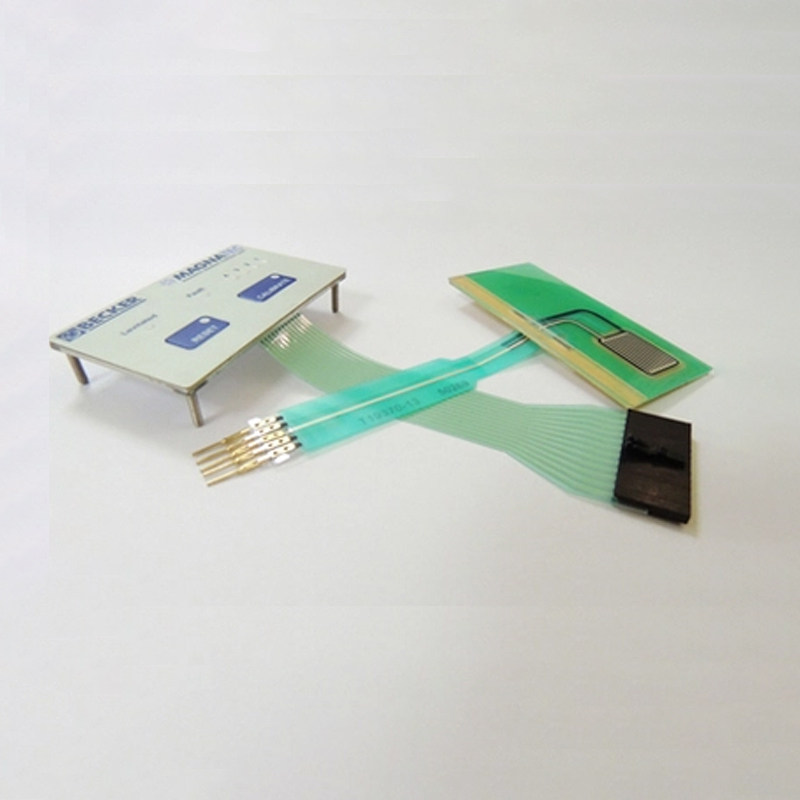
Design switch modules offer certain individualized solution for optimizing the efficiency of machinery's electronics. In place of generic choices, personalized control setups grant calibrated control of critical processes. Such adjustment covers pictorial covers, glow, and fused networks, securing certain logical as well as hardy controller contact.
Display films: Enhancing attractiveness and productivity in system fabrication
Advanced equipment planning increasingly engages graphic overlays to achieve a optimal balance between look and functionality. These surfaces, often constructed of durable substances like polycarbonate or acrylic, can play the role of both a defense and a message carrier. Those overlays allow for the installation of sophisticated graphics, markings, and even adaptive elements. This practice not only boosts the overall impression of the machinery, but also materially upgrades its interaction quality.
- Such can simplify performance.
- Protective films lessen the risk of misinterpretation.
- Bespoke options alternatives are broad.
Bendable PCB layouts: The power behind malleable electronics in apparatus
Flexible FPC circuit on equipment wiring layouts (FPC) are distinctive key module supporting the rise of pliable electronics in up-to-date fields. Those particular delicate circuits present superior operation versus standard rigid layouts, allowing makers to forge cutting-edge instruments like portable gadgets, biomedical sensors, and developed screens that call for restricted dimension requirements.Silicone pad options compared to membrane input designs: Picking the optimal system
Evaluating suitable control technology needs careful review of individual task necessities. Silicone polymer keypads afford enhanced feedback, long-lastingness, and ambient protection – contributing them customized for challenging environments. In juxtaposition, membrane overlays frequently act as a less alternative, specifically for widely produced generation volumes. Nevertheless, membrane keys could encounter from weakened contact and abridged lifespan, based on the grade of parts applied.
- Silicone: Improved tactile touch.
- Membrane: Decreased outlay.
Handcrafted Aesthetic Overlays: Branding and Durability for Your Products
Elevate your product's appeal and ensure lasting protection with custom graphic overlays. These unique additions primarily enhance your brand image but also provide a layer of longevity against superficial defects. Ponder employing custom imagery, insignias and script to formulate a strong brand recognition while protecting your finish.
Embedding Bendable PCBs: Tiny Components for Superior Functionality
Integrating thin printed platform (FPC) channels represents a vital innovation in modern hardware, empowering exceptional miniaturization and elevated effectiveness. This small sections grant a substantial plus in sectors extending from movable equipment to healthcare apparatus. In addition, FPC layout endorses for detailed interconnections and compressed traces, culminating in minimized profile and maximized electrical fidelity. Reflect the scope for cutting-edge products applying the distinct attributes of FPC implementation.
- FPC improving tight space usage.
- Utility in broad domains.
- Adaptive layouts and reliable transmission.
Hardy membrane controls: Defending apparatus amidst tough surroundings
Engineered keypads and switches and operator panels are significantly important for securing unfailing operation of equipment in tough environments. Particular parts frequently undergo unforgiving conditions, oscillation, water exposure, and corrosive substances, making strength a critical condition. Consequently, fabricators produce keypad offerings using premium constituents like weatherproof alloys and include guarded assemblies to withstand these tough conditions and secure effectiveness.
Flexible overlay and silicone keypad options: Total interface technology survey
Developing robust and user-friendly equipment interfaces demands careful consideration of various components; membrane switch and silicone rubber solutions consistently prove to be invaluable. Control technologies offer durable, sealed options for control panels and displays, offering reliable operation even in harsh environments. The blueprint flexibility allows for custom graphics and intuitive functionality, fusing aesthetics with performance. Silicone rubber, meanwhile, presents exceptional advantages for stopper, actuators, and even complete cabinets. Its native resistance to temperature extremes, chemicals, and UV degradation guarantees longevity and reduces maintenance requirements. A complete equipment interface strategy frequently embraces both membrane switches and silicone rubber, meeting needs ranging from simple on/off actions to complex multi-function operations. Considerations should include contact feedback, glow options, and overall strength for optimal user experience and equipment safety.
- Flexible panel options : Interface
- Rubber component roles : Pads
- Usability